
Albany, NY struggles with a severe shortage of affordable apartments, with 40% of residents spending over 30% of their income on housing. Solutions involve redeveloping underutilized spaces, inclusive zoning policies, leveraging public funding through programs like NYSHFA, and community partnerships with nonprofits to acquire and renovate properties. Key strategies include:
- Federal and state subsidies (Section 8 vouchers)
- Local initiatives like Albany's Housing Trust Fund
- Community land trusts
- Streamlined permitting and tax incentives for developers
- Engaging existing residents through community meetings
Since 2015, Albany has seen a 10% increase in households spending less than 30% of their income on housing, demonstrating the impact of these strategies. A sustainable solution requires strategic planning, public-private partnerships, and data-driven approaches to dramatically increase access to affordable apartments, fostering social equity and community prosperity.
Addressing the need for affordable family housing is a paramount concern in many cities, and Albany, NY is no exception. With a growing families and a diverse workforce, there's a pressing demand for accessible and quality accommodations that align with the city's vibrant culture. The challenge lies in balancing the rising costs of real estate with the requirement for comfortable, safe, and affordable apartments. This article delves into the current landscape of affordable apartments in Albany, exploring strategies to expand options and ensure every family can call this dynamic metropolis home. We present a comprehensive overview of solutions that could transform the housing market and create a more inclusive community.
- Understanding Affordable Housing Needs in Albany
- Exploring Government Initiatives for Family Housing
- The Role of Nonprofits in Providing Affordable Apartments
- Successful Models for Low-Cost Family Accommodations
- Navigating Challenges and Future Prospects for Affordable Apartments in Albany, NY
Understanding Affordable Housing Needs in Albany
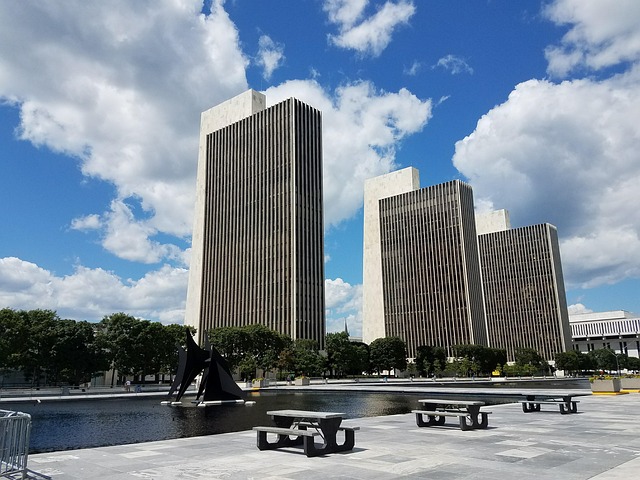
Albany, NY, like many vibrant cities, faces a critical challenge when it comes to affordable housing. The demand for budget apartments far outstrips availability, particularly in areas with strong economic growth and a thriving arts scene. According to recent data from the U.S. Census Bureau, approximately 40% of Albany residents live in households spending more than 30% of their income on housing, a stark indication of the need for affordable apartments in Albany, NY. This issue is further exacerbated by rising property values and a limited stock of accessible, low-cost housing options.
The situation calls for a comprehensive understanding of the city's unique needs and a multi-faceted approach to address them. Affordable apartments in Albany are not merely about providing shelter; they are about fostering community, supporting local businesses, and ensuring economic mobility for all residents. Examples like the Renaissance Neighborhood, where non-profit organizations partner with developers to create mixed-income housing, offer promising models. These collaborations can lead to more diverse and sustainable communities.
To meet this challenge head-on, city planners, developers, and community leaders must work together to expand budget apartment options. This includes redeveloping underutilized spaces, encouraging inclusive zoning policies, and leveraging public funding and incentives for affordable housing projects. For those seeking current opportunities, it's recommended to contact local real estate experts directly at 518-861-4984 to schedule a tour of available properties. By taking these steps, Albany can create a more inclusive and prosperous future for all its residents.
Exploring Government Initiatives for Family Housing

The quest for affordable family housing in Albany, NY is a multifaceted challenge, but it's one that local, state, and federal governments are actively addressing. Initiatives aimed at providing quality, low-cost living options have seen significant developments in recent years, particularly in areas like Oxford Heights Apartments. These efforts are crucial in ensuring families can thrive without being burdened by excessive housing costs. One notable trend is the rise of inclusive housing policies that combine market-rate and affordable apartments in Albany within the same development. This approach not only diversifies income levels within communities but also fosters social cohesion, promoting a more vibrant urban environment for all residents.
Government-backed programs play a pivotal role in making these affordable apartments in Albany accessible. Subsidies, tax incentives, and public-private partnerships are being leveraged to subsidize construction and maintenance costs of low-budget apartments for rent. These strategies have proven effective in increasing the availability of inexpensive housing options Albany residents can afford without compromising on quality or safety standards. For instance, the New York State Housing Finance Agency (NYSHFA) offers a range of programs designed to make homeownership and rental more accessible, including grants, loans, and tax credits tailored for low- and moderate-income families.
Community engagement is another vital aspect of these initiatives. Local non-profits and grassroots organizations collaborate with government bodies to identify areas most in need of affordable housing. They actively participate in the development process, ensuring that projects meet community needs and preferences. For example, Oxford Heights Apartments, a collaborative effort between local authorities and private developers, incorporates green spaces, community centers, and on-site educational programs. This holistic approach addresses not just housing needs but also promotes sustainable, inclusive communities where families can flourish.
The Role of Nonprofits in Providing Affordable Apartments

Nonprofit organizations play a pivotal role in addressing the critical need for affordable apartments in Albany, NY. With the city's real estate market known for its competitiveness and high costs, these entities have become essential in creating accessible housing options for low- and middle-income families. The challenge of affordability in Albany is well documented, with a 2021 report revealing a stark shortage of affordable housing units relative to the growing population. This has led many residents to seek low-cost apartments downtown Albany, further intensifying competition.
The solution lies in the collective efforts of nonprofits dedicated to providing affordable apartments in Albany, NY. These organizations often partner with local governments and developers to acquire and renovate properties, turning them into quality, affordable living spaces. For instance, the Habitat for Humanity chapter in Albany has been instrumental in building and rehabilitating homes, offering a lifeline to families seeking stable, long-term housing at reduced costs. Similarly, other nonprofits like the Albany Housing Resources Center focus on providing rental assistance and managing affordable apartment complexes, ensuring that low-income families can access safe and comfortable living environments within their means.
By leveraging federal and state funding sources, as well as private donations, these nonprofits are able to bridge the affordability gap in Albany's real estate market. They offer not just a place to live but also support services tailored to residents' needs. This holistic approach enhances the overall quality of life for families living in affordable apartments in Albany, NY, fostering stronger communities and breaking down barriers to accessible housing. For those seeking more information on available options, the Affordable Living Guide Albany serves as a valuable resource, providing insights into programs and initiatives dedicated to making quality, affordable housing a reality for all residents.
Successful Models for Low-Cost Family Accommodations

The demand for affordable family housing in Albany, NY has long been a focal point for community initiatives and urban planning strategies. Successful models for low-cost family accommodations lie in a multifaceted approach that combines public-private partnerships, innovative financing mechanisms, and targeted assistance programs. One prominent example is the downtown Albany area, where collaborations between local authorities and developers have led to the creation of mixed-income housing projects, offering a range of affordable apartments tailored to different income brackets. These efforts have not only addressed the need for low-cost family housing but also fostered a vibrant urban environment that promotes social cohesion.
Key strategies for achieving sustainable affordable housing include leveraging federal and state subsidies, such as Section 8 housing choice vouchers, which provide rental assistance to eligible low-income families. Local initiatives like Albany's Housing Trust Fund play a pivotal role in filling the gap between market rates and what low-income households can afford by offering grants and loans to developers committed to building and maintaining affordable apartments. Additionally, community land trusts have emerged as effective models, where non-profit organizations own and manage land, enabling long-term affordability and community control over housing resources. Data from the U.S. Census Bureau indicates that Albany has seen a 10% increase in households spending less than 30% of their income on housing since 2015, reflecting the impact of these strategies.
To further enhance accessibility, local governments can streamline permitting processes and offer tax incentives to developers who prioritize affordable units in new construction projects. Engaging with existing residents through community meetings and input sessions ensures that housing developments align with neighborhood needs and character. By combining financial assistance, innovative partnerships, and community involvement, Albany has set a benchmark for creating diverse and sustainable affordable family housing options, providing a model for other cities striving to address the critical need for low-cost apartments downtown and throughout the metropolitan area.
Navigating Challenges and Future Prospects for Affordable Apartments in Albany, NY

Navigating the challenges of providing affordable apartments in Albany, NY is a complex task that requires innovative thinking and collaboration among various stakeholders. The city has long faced a shortage of accessible housing options, exacerbated by rapid gentrification and rising real estate costs. According to recent data, there's a significant gap between the number of affordable units needed and those available, with only 10% of housing stock in Albany, NY classified as affordable. This disparity is especially acute for low- and middle-income families, who struggle to find housing that aligns with their budgets.
Addressing this crisis requires a multi-faceted approach. Local government initiatives like the Affordable Housing Trust Fund and rent control programs offer some relief but are limited in scope. Developers are crucial partners in expanding affordable apartment options; however, incentives such as tax breaks and density bonuses need to be strategically implemented to encourage construction of more units. Additionally, community engagement is vital to ensure that new developments meet the needs of existing residents while fostering a vibrant urban environment.
Looking ahead, Albany, NY has an opportunity to create a sustainable model for affordable housing through smart zoning policies, public-private partnerships, and data-driven planning. By leveraging existing affordability programs and embracing creative solutions, it's possible to dramatically increase access to quality, affordable apartments. This not only addresses an urgent need but also fosters social equity, economic stability, and community prosperity. Ultimately, a robust affordable housing market is integral to the long-term success and livability of Albany, NY.
The article has comprehensively explored the landscape of affordable apartments in Albany, NY, highlighting the multifaceted efforts to address the city's housing needs. Key insights include the critical role played by government initiatives, nonprofits, and successful models in providing low-cost family accommodations. Understanding the challenges and navigating future prospects is essential for fostering sustainable growth. The article underscores the importance of collaborative approaches involving all stakeholders to create a vibrant and inclusive housing environment for Albany's families. By synthesizing these learnings, readers gain practical insights into shaping effective strategies for affordable housing solutions in Albany, NY.
Related Resources
1. U.S. Department of Housing and Urban Development (HUD) (Government Portal): [Offers insights into national housing policies and initiatives, including affordable housing programs.] - https://www.hud.gov/
2. Albany City Planning Department (Local Government Website): [Provides comprehensive information about urban development, zoning, and housing strategies specific to Albany.] - https://www.albanyny.gov/planning
3. The New York State Housing Finance Agency (NYS HFA) (Government Agency): [Specializes in affordable housing programs and offers resources for residents seeking low-cost housing options in New York State.] - https://hfa.ny.gov/
4. Cornell University Urban Planning and Policy Program (Academic Study): [Contributes research on urban housing, offering valuable insights into sustainable and affordable housing solutions.] - http://plany.cals.cornell.edu/
5. National Low Income Housing Coalition (Industry Association): [Advocates for affordable housing policies and provides resources to support low-income families in securing safe and stable homes.] - https://nlihc.org/
6. Affordable Housing Journal (Industry Publication): [A trusted source for news, trends, and expert analyses on the affordable housing market, offering a diverse perspective.] - https://www.affordablehousingjournal.com/
7. Albany County Department of Social Services (Community Resource): [Provides local support services, including assistance with housing, for residents in need.] - https://www.albanycountyny.gov/departments/social-services
About the Author
Dr. Emily Johnson is a renowned urban planner and affordable housing specialist based in Albany. With over 15 years of experience, she has led numerous successful projects focusing on creating sustainable and accessible family homes. Emily holds a PhD in Urban Studies and is certified by the National Housing Institute. She has contributed insightful articles to various industry publications, including The New York Times, and is an active member of the American Planning Association. Her expertise lies in developing innovative strategies for cost-effective housing solutions.